

Start With a Full Vehicle Inspection
Before cleaning anything, walk around the vehicle and look at it as a potential buyer would.
Check the paint, wheels, glass, lights, trim, seats, carpets, dashboard, and trunk. Take note of stains, scratches, odors, faded areas, and places where dirt has built up.
This inspection helps determine where your time should go. There is little benefit in spending an hour polishing one section of paint while obvious dirt remains throughout the interior.
A simple inspection also gives you an opportunity to identify issues that detailing cannot fix. A deep scratch, dent, cracked trim piece, or damaged seat should not be treated as a cleaning problem.
Give the Exterior a Thorough Wash
The first visible impression usually comes from the exterior.
Start by removing loose dirt and debris before making contact with the paint. Use clean washing materials and work methodically from the upper panels toward the lower sections, where heavier road grime tends to collect.
Pay attention to areas that are often missed:
- Door jambs
- Lower rocker panels
- Behind license plates
- Around badges and emblems
- Fuel-door edges
- Grille openings
- Rear bumper corners
These small areas can make a surprisingly large difference when a buyer walks around the vehicle.
For sellers researching auto detailing fredericksburg va, this type of thorough exterior preparation is an important part of presenting a vehicle honestly while making its existing condition look its best.
Decontaminate the Paint When Necessary
A normal wash does not always remove everything from painted surfaces.
Brake dust, industrial fallout, tree sap, road film, and other contaminants can remain bonded to the paint. You may notice this when the surface feels rough even after washing.
Paint decontamination can help restore a smoother feel. Depending on the condition, the process may involve specialized chemical treatments and mechanical decontamination.
Do not aggressively scrub a contaminated surface. Excessive friction can create unnecessary marring.
Consider Ceramic Coating Protection
Ceramic coating can be particularly useful for vehicle owners who want to protect the paint after a thorough correction and preparation process.
A ceramic coating creates a protective layer over the paint and provides hydrophobic properties that help water and certain contaminants move off the surface more easily. It does not make a vehicle scratch-proof, but it can make ongoing maintenance more manageable.
For a vehicle that has already received proper paint preparation, ceramic coating can help preserve the clean appearance after the detailing work is complete. This is especially helpful when the seller plans to continue driving the vehicle for some time before it sells.
The important point is that ceramic coating works as protection after proper preparation. It should not be viewed as a substitute for washing, paint correction, or fixing existing surface problems.
Clean the Wheels and Tires
Dirty wheels can quickly undermine an otherwise clean exterior.
Brake dust often collects around spokes, wheel barrels, and corners. Tires can also develop a brown or dull appearance from accumulated road contamination and previous dressing products.
Clean the wheels with products suitable for their finish. Use separate tools for wheels and painted body panels to avoid transferring abrasive debris.
Once the tires are clean and dry, an appropriate tire dressing can restore a neat, finished appearance. Avoid excessive product that leaves the sidewalls greasy or attracts dust.
Make the Interior Feel Fresh
A buyer will usually spend more time inside the vehicle than examining the underside of the hood.
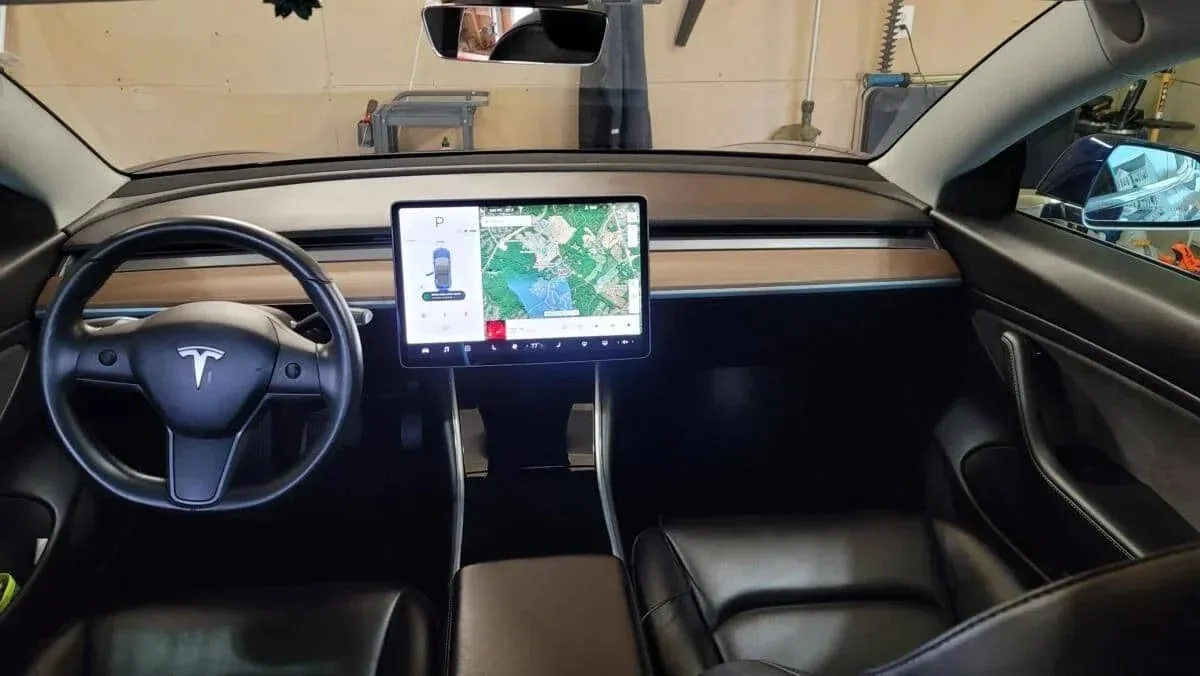
Start by removing personal belongings, rubbish, and loose items. Then vacuum the seats, carpets, mats, floor areas, and spaces underneath the seats.
Clean the dashboard, center console, door panels, cup holders, and other frequently touched surfaces.
The goal is a clean, natural-looking cabin rather than an interior covered in glossy dressing.
Address Seats and Upholstery
Seats often reveal how a vehicle has been used.
Look for food stains, drink marks, pet hair, dust, and discoloration. Fabric upholstery may benefit from appropriate spot treatment or deeper extraction, while leather requires cleaners and conditioners designed for that material.
Do not oversaturate seats simply to make them look cleaner. Excess moisture can remain trapped inside upholstery and create unpleasant odors.
If the vehicle has a noticeable stain, deal with it before taking listing photographs. A small mark can become disproportionately noticeable when buyers see a high-resolution interior photo.
Eliminate Odors at the Source
Spraying a strong fragrance into a vehicle does not necessarily make it smell clean.
Unpleasant odors can come from spilled drinks, food, damp carpets, pets, smoke residue, or accumulated moisture. Find the source and clean the affected area rather than attempting to cover it with fragrance.
After cleaning, allow damp materials to dry properly. A fresh-smelling cabin should smell clean rather than heavily perfumed.
Clean the Glass Inside and Out
Clean windows make a vehicle feel brighter and better cared for.
Clean both sides of the glass and use a fresh microfiber towel to reduce streaking. Pay special attention to the inside of the windshield, where dashboard residue can gradually create a hazy film.
Mirrors should also be cleaned thoroughly. A buyer checking visibility during a test drive will notice dirty or streaked glass immediately.
Do Not Forget the Trunk
The trunk is easy to overlook because it is usually closed during photographs.
Remove unnecessary items and vacuum the floor, side panels, and corners. If the vehicle has a spare-tire compartment, check that area for dirt or moisture as well.
A clean trunk reinforces the impression that the vehicle has been maintained rather than simply cleaned for the sale.
Finish With the Small Details
Once the major cleaning is complete, walk around the vehicle again.
Look for fingerprints, water spots, dust around badges, dirty door edges, and residue around trim. These finishing details often separate a basic cleanup from a properly prepared vehicle.
Before photographing the car, check it under good lighting. Different lighting conditions can reveal streaks, missed dirt, and paint imperfections that were not obvious during cleaning.
Prepare the Vehicle for Listing Photos
Good detailing should be followed by good presentation.
Photograph the vehicle when the exterior is clean and dry. Choose a simple background and avoid clutter around the car. Take clear photographs of the exterior, interior, wheels, dashboard, seats, trunk, and any important features.
Do not hide imperfections. A clean vehicle should make its genuine condition easier for buyers to evaluate.
If the vehicle has ceramic coating, paint protection, or other professional treatments, keeping records of that maintenance can also help explain how the vehicle has been cared for.
A Simple Final Checklist
Before listing the vehicle, confirm that you have checked:
- Exterior paint and trim
- Wheels and tires
- Windows and mirrors
- Headlights and taillights
- Door jambs
- Dashboard and controls
- Seats and upholstery
- Carpets and floor mats
- Trunk and storage areas
- Interior and exterior odors
- Personal belongings and rubbish
- Final fingerprints and dust
Taking care of these areas creates a much more consistent presentation.
Final Thoughts
Pre-sale detailing is not about making a vehicle look perfect. It is about removing avoidable dirt, improving presentation, and allowing potential buyers to see the vehicle's actual condition clearly.
Ceramic coating can add another layer of paint protection and make ongoing maintenance easier, particularly after the surface has been properly cleaned and prepared. However, even a coated vehicle still needs sensible washing and care.





Leave a Reply